



Gene therapy and cell therapy are often mentioned together, but they are not the same thing. One works by modifying genetic material, while the other works by introducing living cells that repair, replace or strengthen biological function.
The reason they are often grouped together is simple: both belong to the same broader shift in medicine, one that aims to treat disease more directly instead of only managing symptoms.
Gene therapy changes or replaces genes to treat disease. Cell therapy uses living cells as the treatment itself. In some cases, such as CAR-T, both approaches overlap.
What is cell therapy?
Cell therapy uses living cells to repair, replace or strengthen biological function. Those cells may come from the patient or from a donor, depending on whether the therapy is autologous or allogeneic.
In practical terms, cell therapy is often about collecting cells, preparing or modifying them outside the body, and then administering them back so they can regenerate tissue, rebuild function or enhance the immune response.
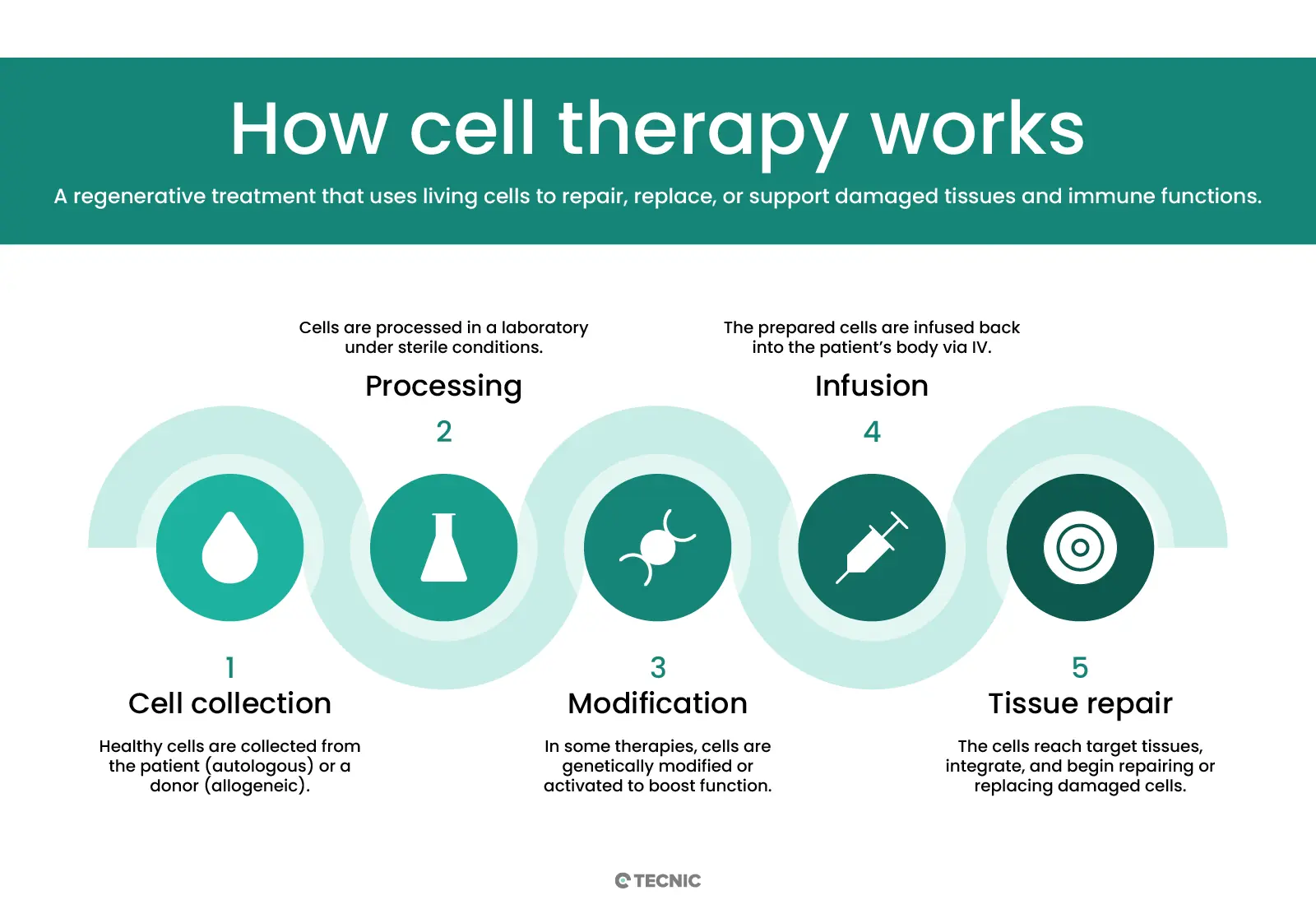
In cell therapy, the cell population itself is the treatment, which makes sourcing, handling and process control especially important.
What is gene therapy?
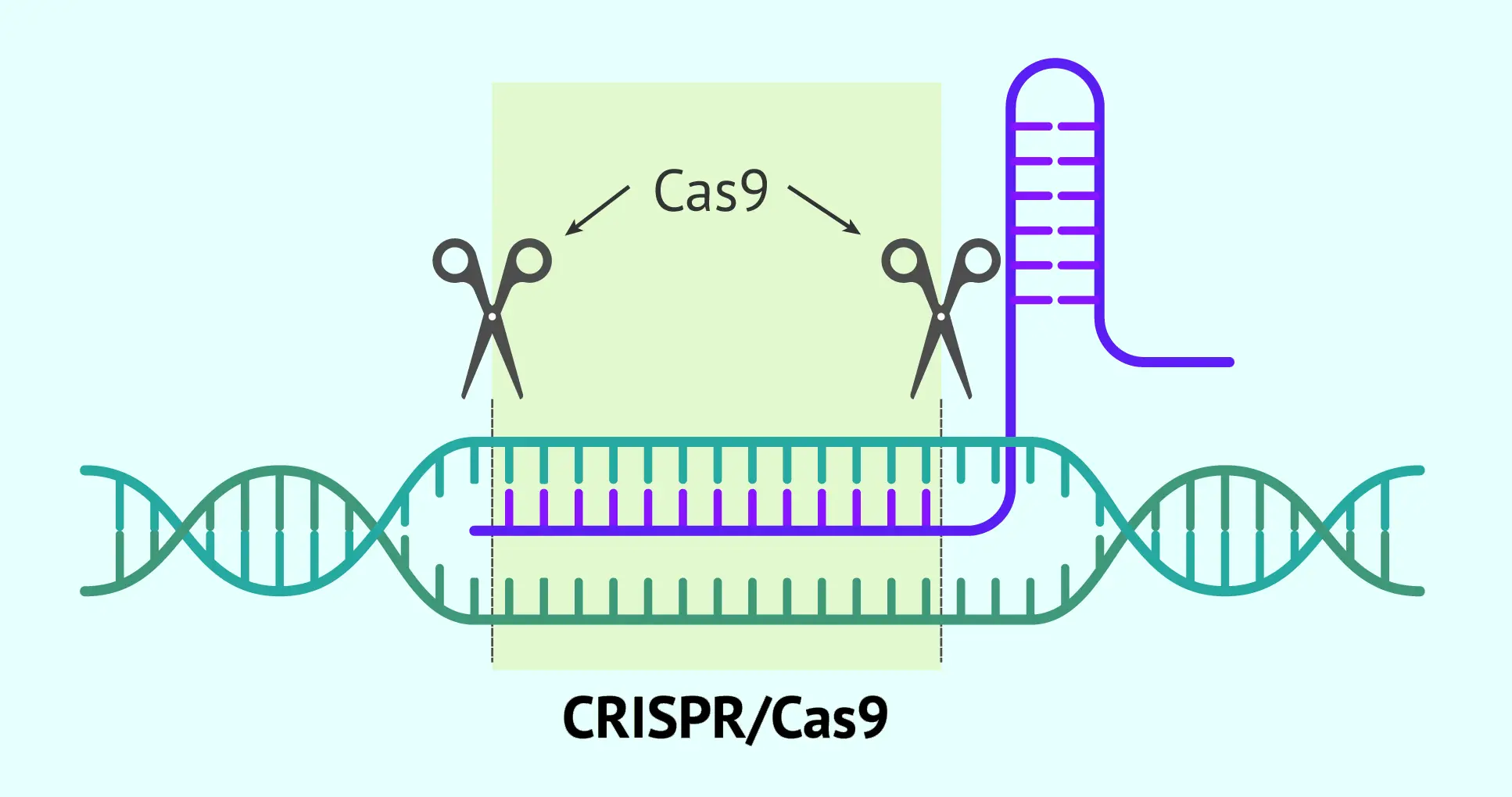
Gene therapy treats disease by changing the genetic instructions inside cells. That may involve adding a healthy copy of a gene, replacing a faulty one or making a precise edit in the genome.
Current approaches are focused on somatic therapies, meaning they affect the treated patient but are not passed on to future generations. The article also distinguishes in vivo and ex vivo delivery, which is an important practical difference in how the therapy reaches the target cells.
How they work in practice
The easiest way to understand the difference is to look at what is being delivered into the patient.
Transfers living cells into the body so they can repair tissue, replace damaged function or strengthen immunity.
Transfers or edits genetic material so the cells can work differently or produce the needed function.
Some treatments combine both, for example when cells are taken out, genetically modified and then reinfused.
That overlap is one reason the field can look confusing from the outside. A therapy can clearly belong to one category, but some of the most advanced approaches sit right between both.
How gene therapy and cell therapy differ
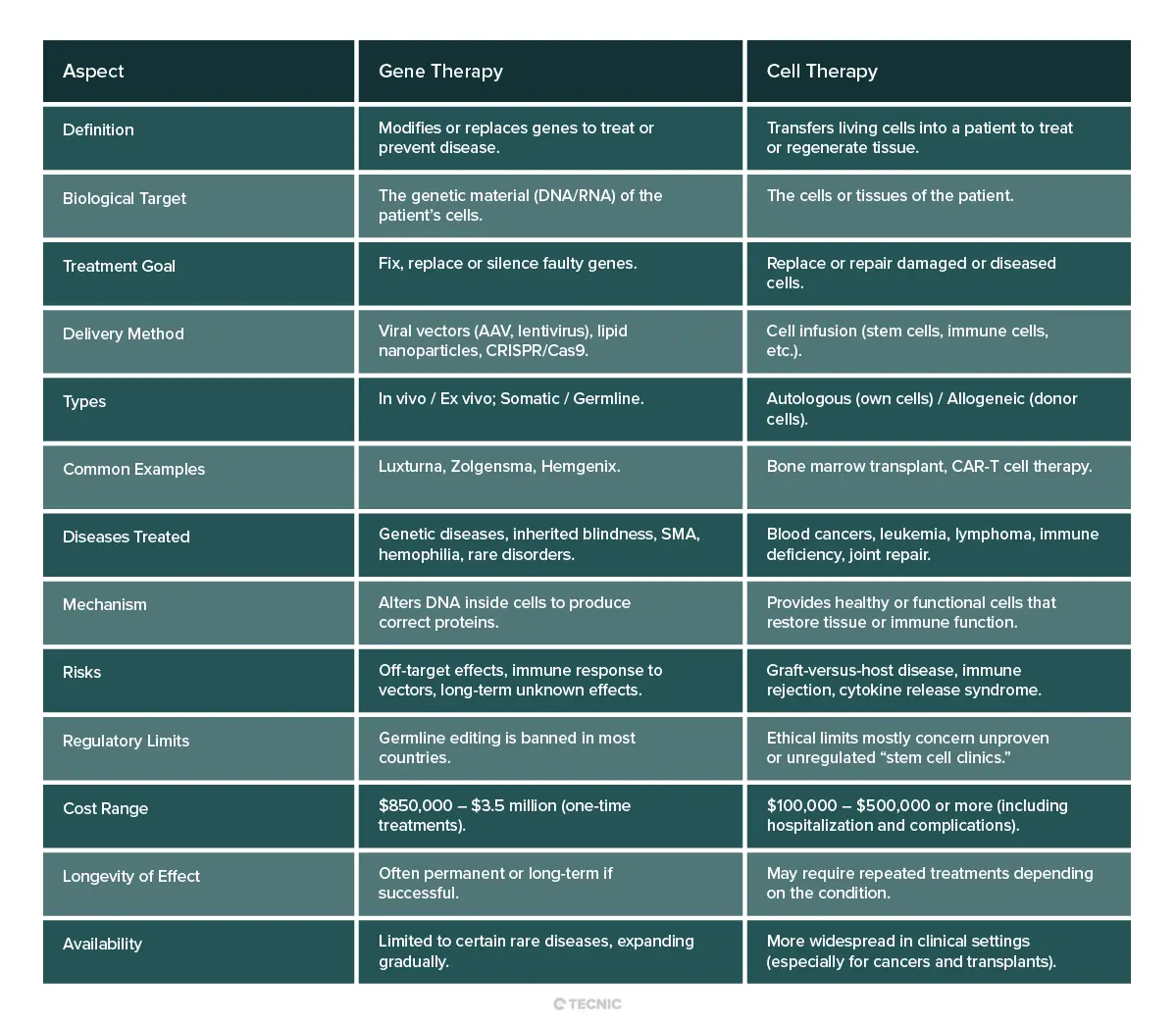
The simplest distinction is this: gene therapy changes the instructions, while cell therapy changes the cells present in the patient.
Gene therapy
Better understood as a way to address the genetic cause of disease by modifying or replacing faulty DNA-related instructions.
Cell therapy
Better understood as a way to restore or improve biological function through the therapeutic use of living cells.
Where they are used
Cell therapy is strongly associated with applications where replacing, repairing or reprogramming cell function is central, for example in hematologic cancers, regenerative medicine and immune-based treatments.
Gene therapy is especially relevant in diseases where the core issue is a defined genetic defect. That is why it is often discussed in inherited retinal disease, blood disorders, metabolic conditions and certain rare genetic diseases.
What teams should understand before comparing both fields
The most useful comparison is not asking which one is better in general. It is asking which one matches the biological problem more directly.
These are not rival technologies. In many cases, they are complementary tools used to solve different therapeutic problems.
How TECNIC fits this broader field
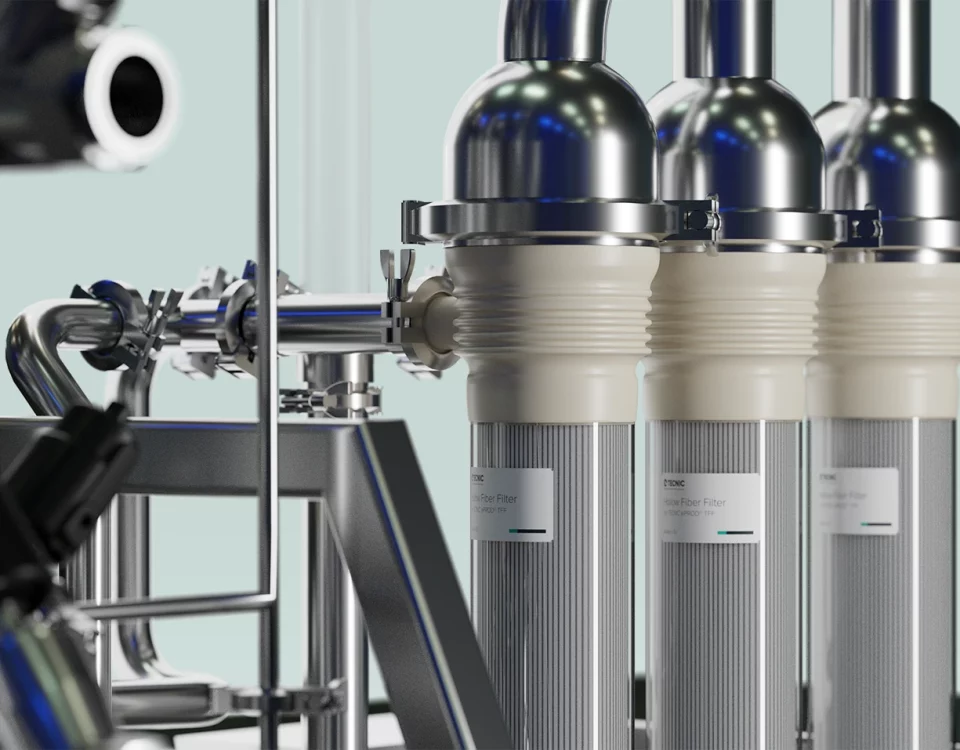
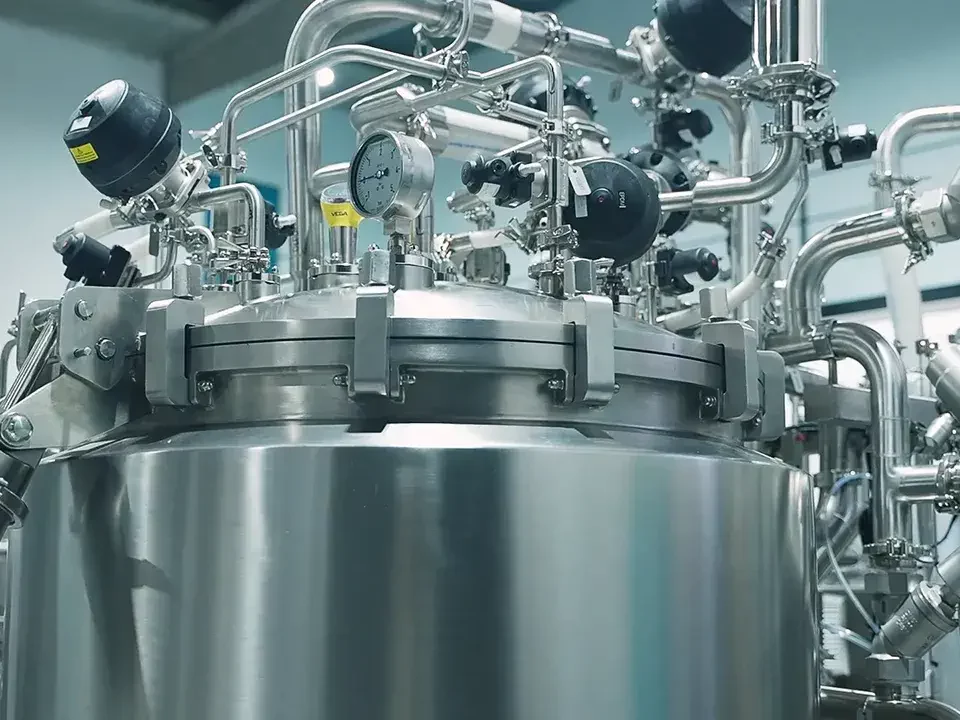
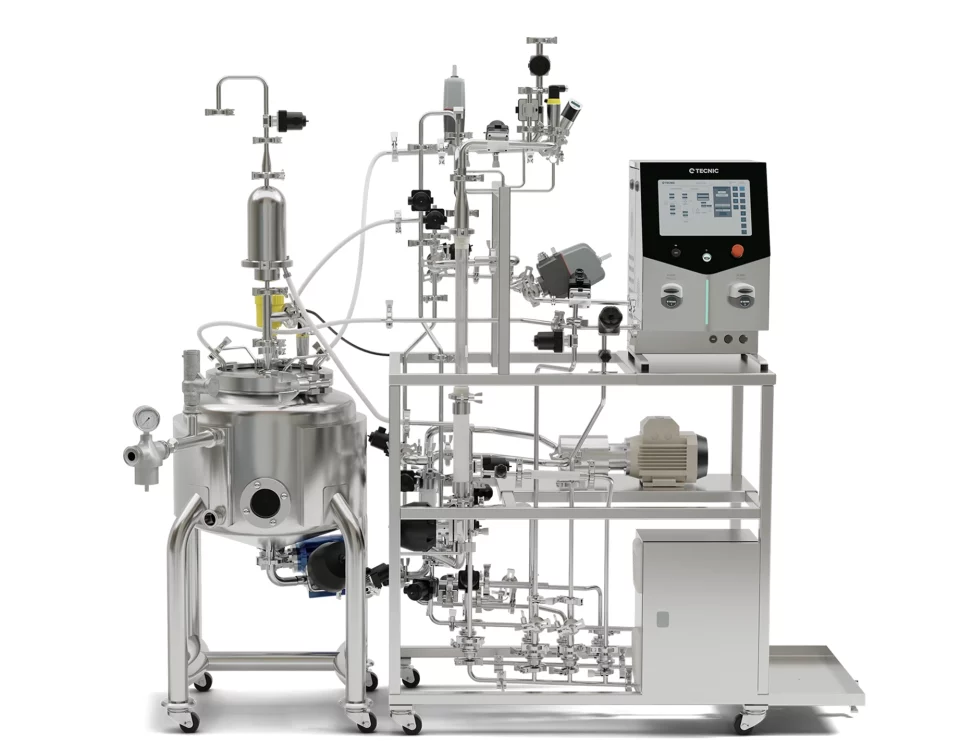
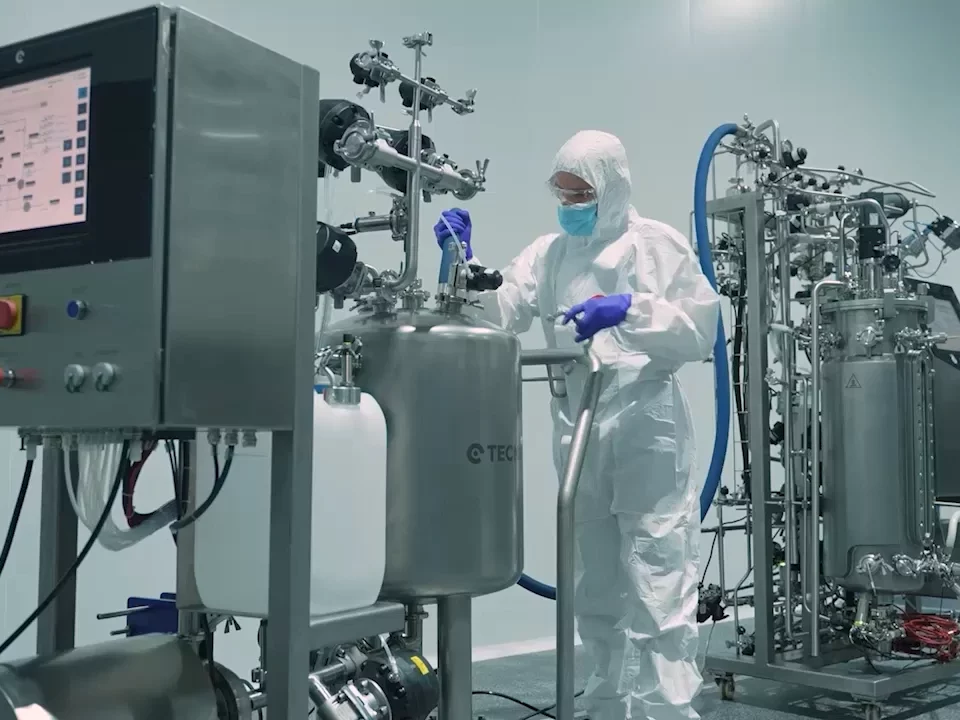
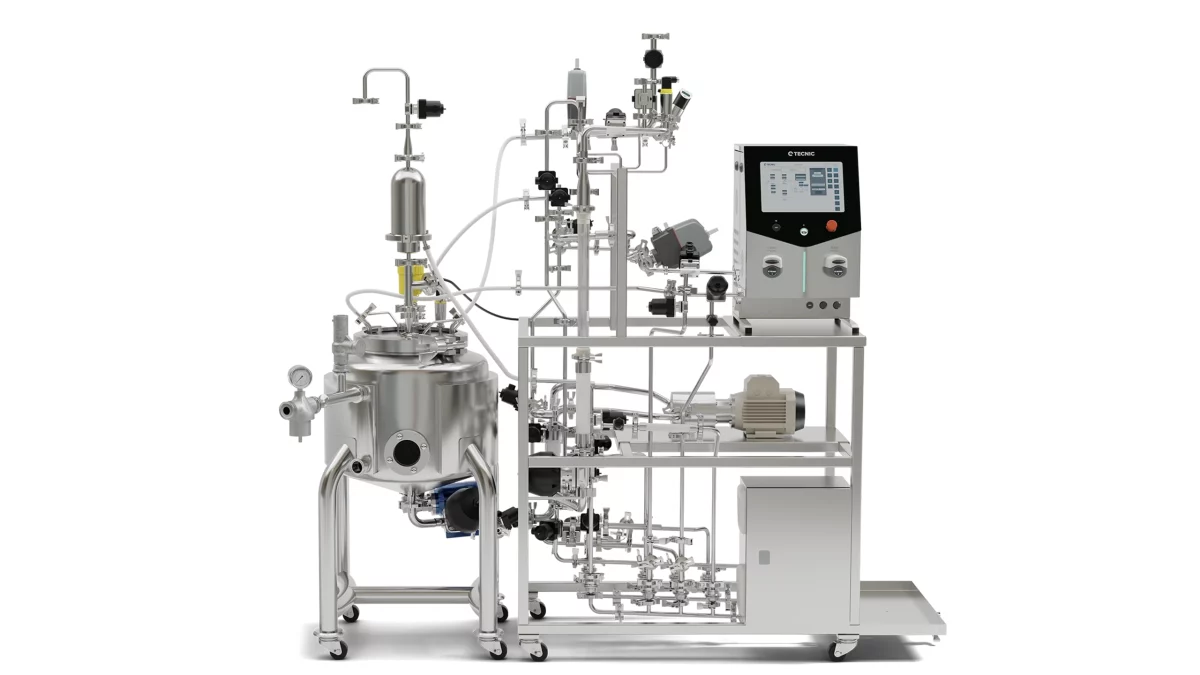
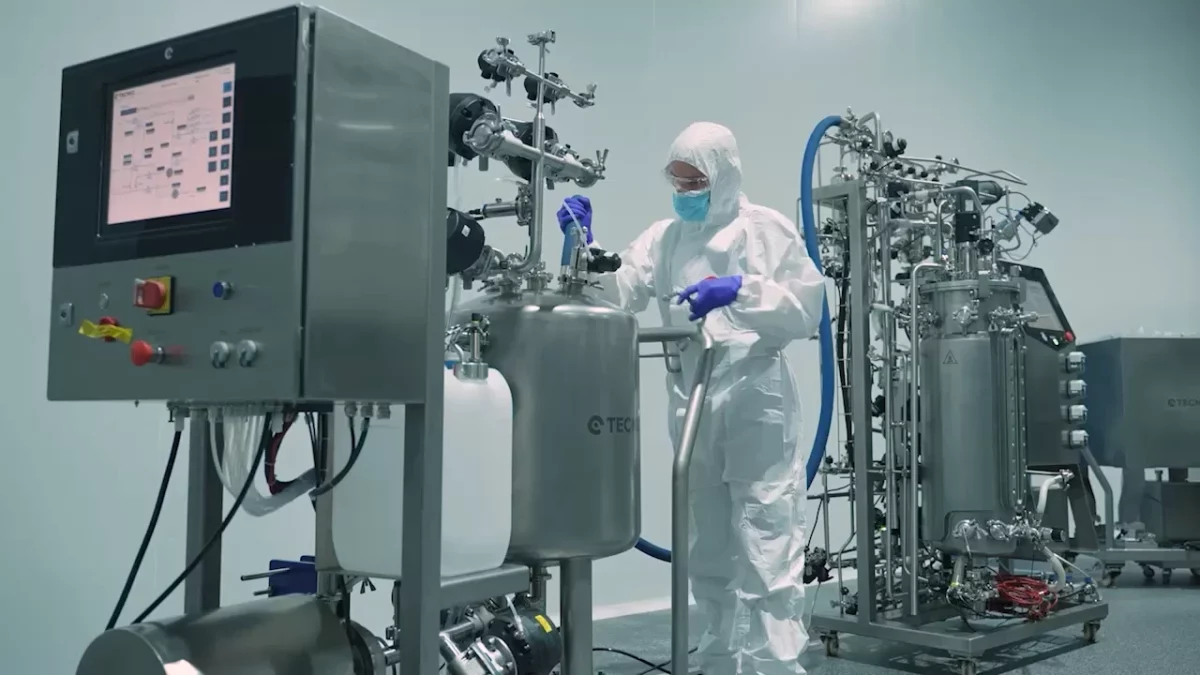
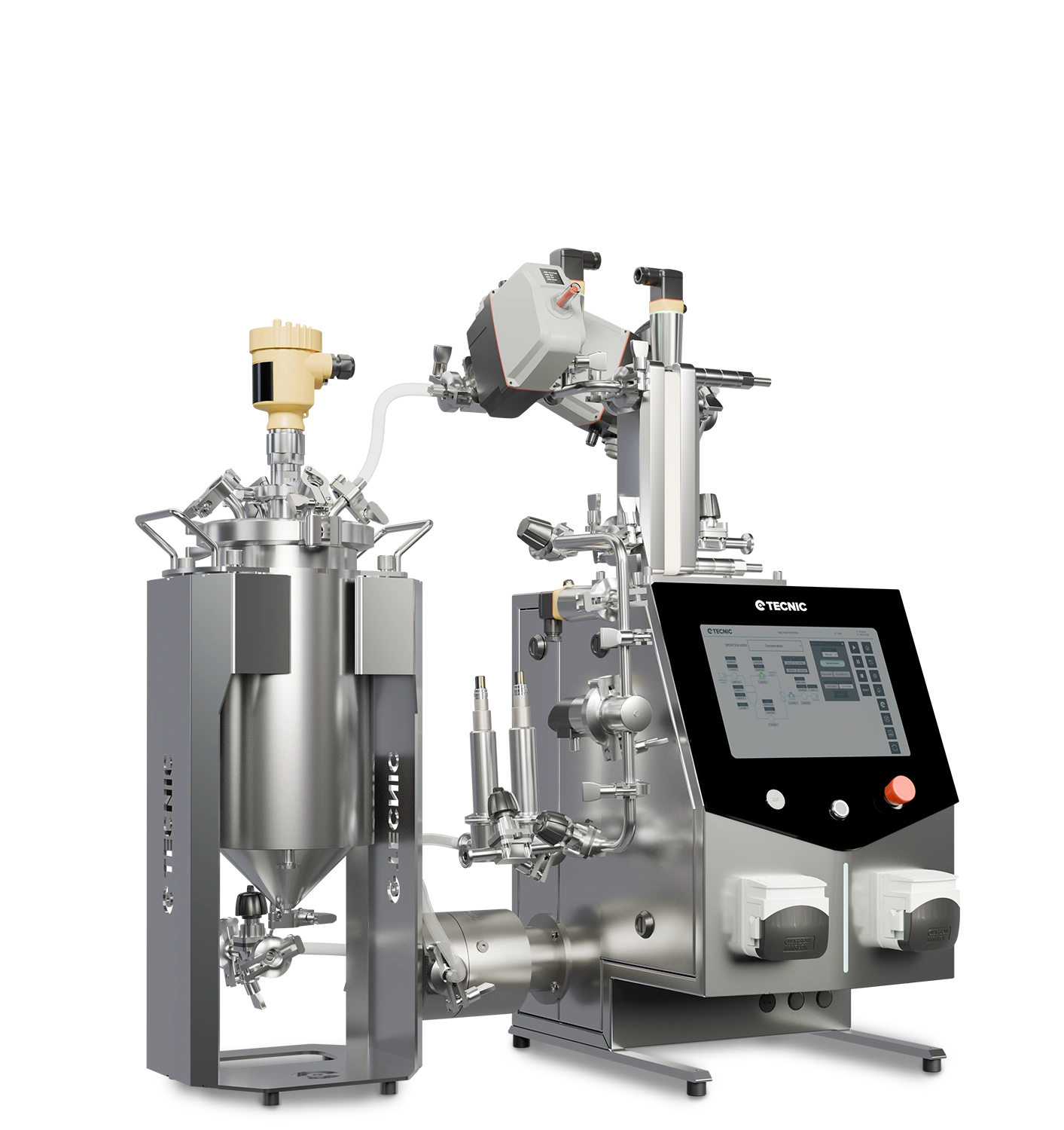
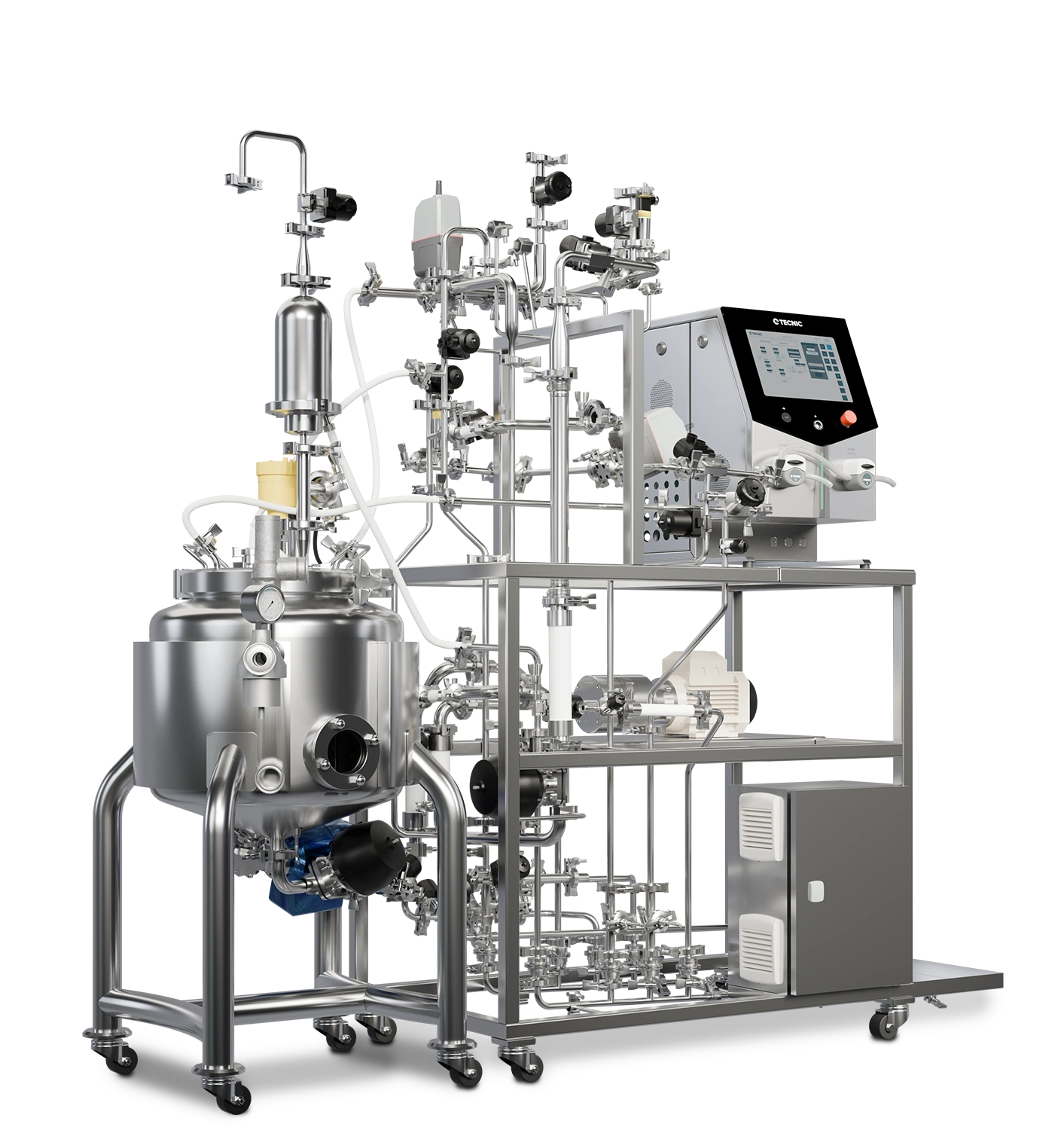
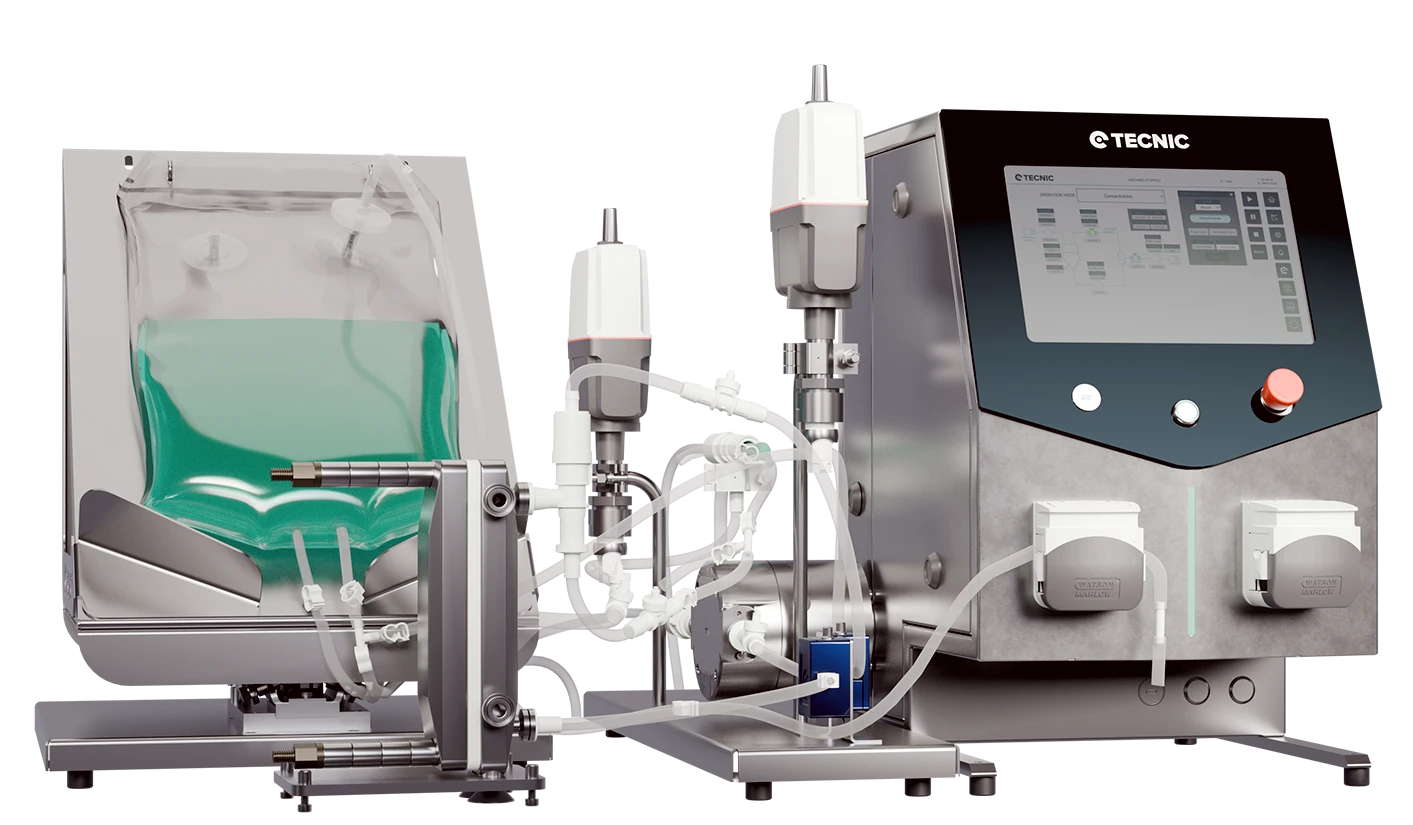
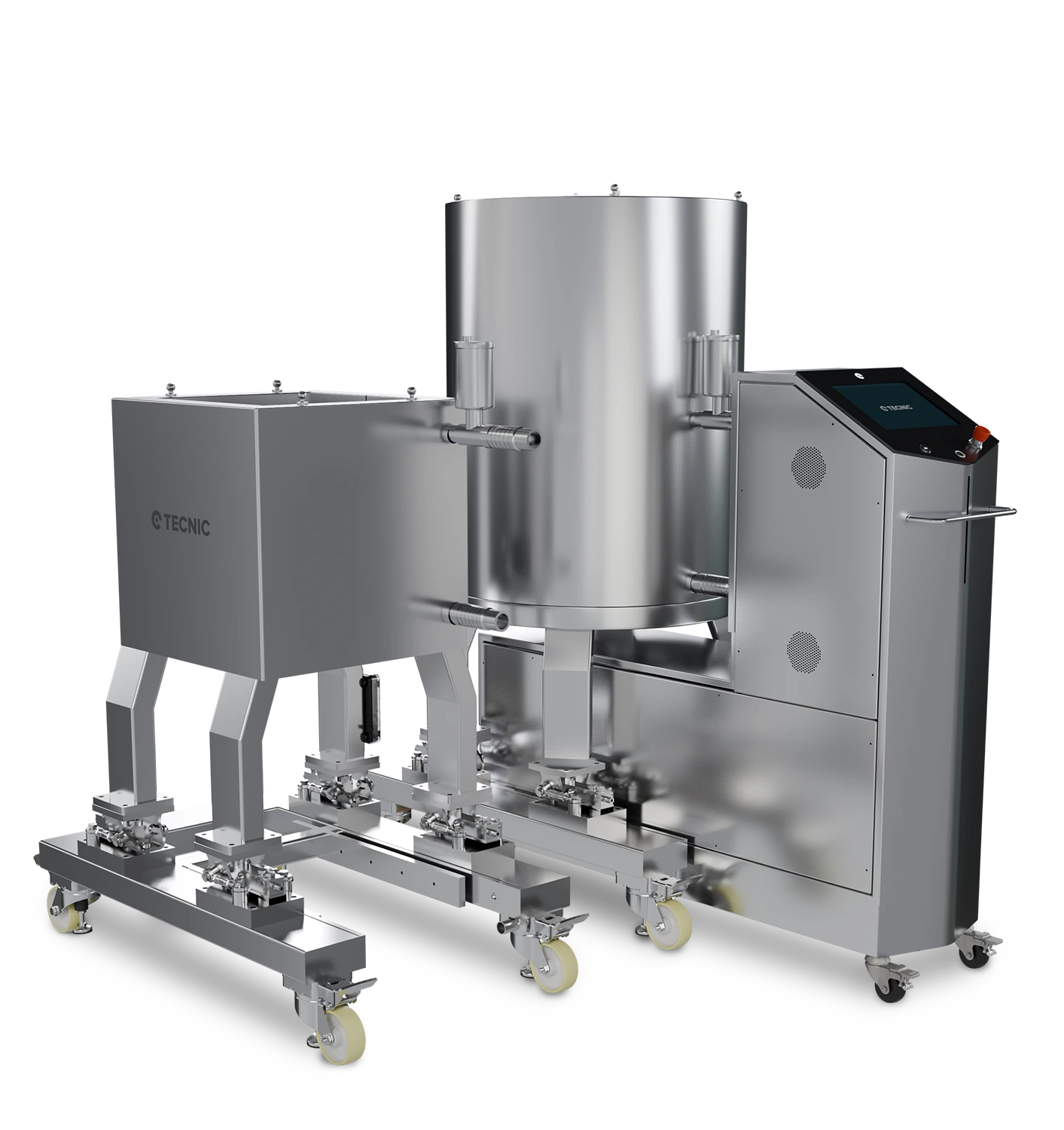
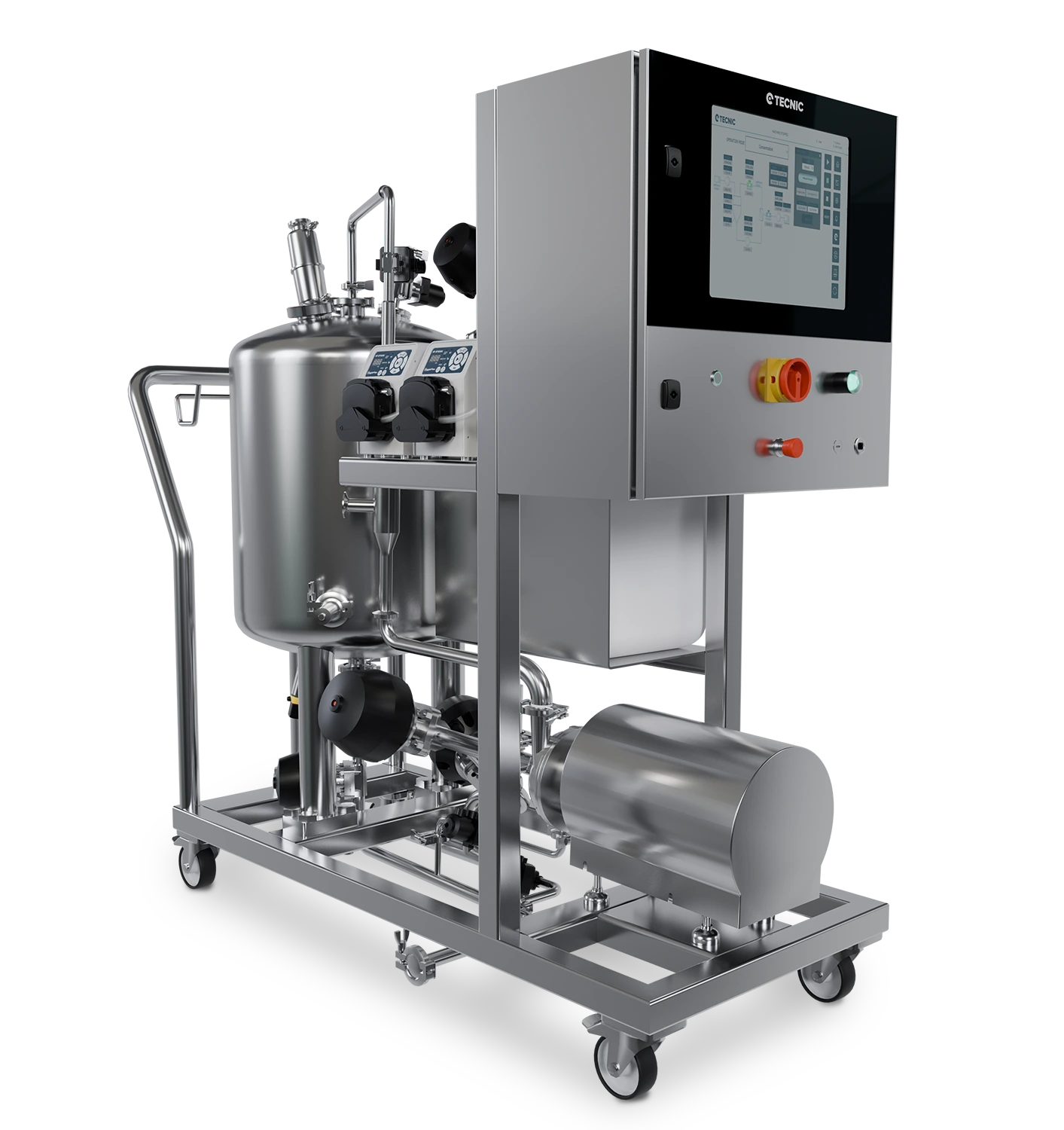
Even when the article itself is educational, the connection to TECNIC’s portfolio is clear at process level. Cell and gene therapy workflows depend on controlled bioprocessing environments, robust scale-up logic and equipment that can support sensitive and high-value operations.
Cell and gene therapy perspective
TECNIC already develops educational and technical content around advanced therapy workflows, which makes this article part of a broader process-oriented positioning.
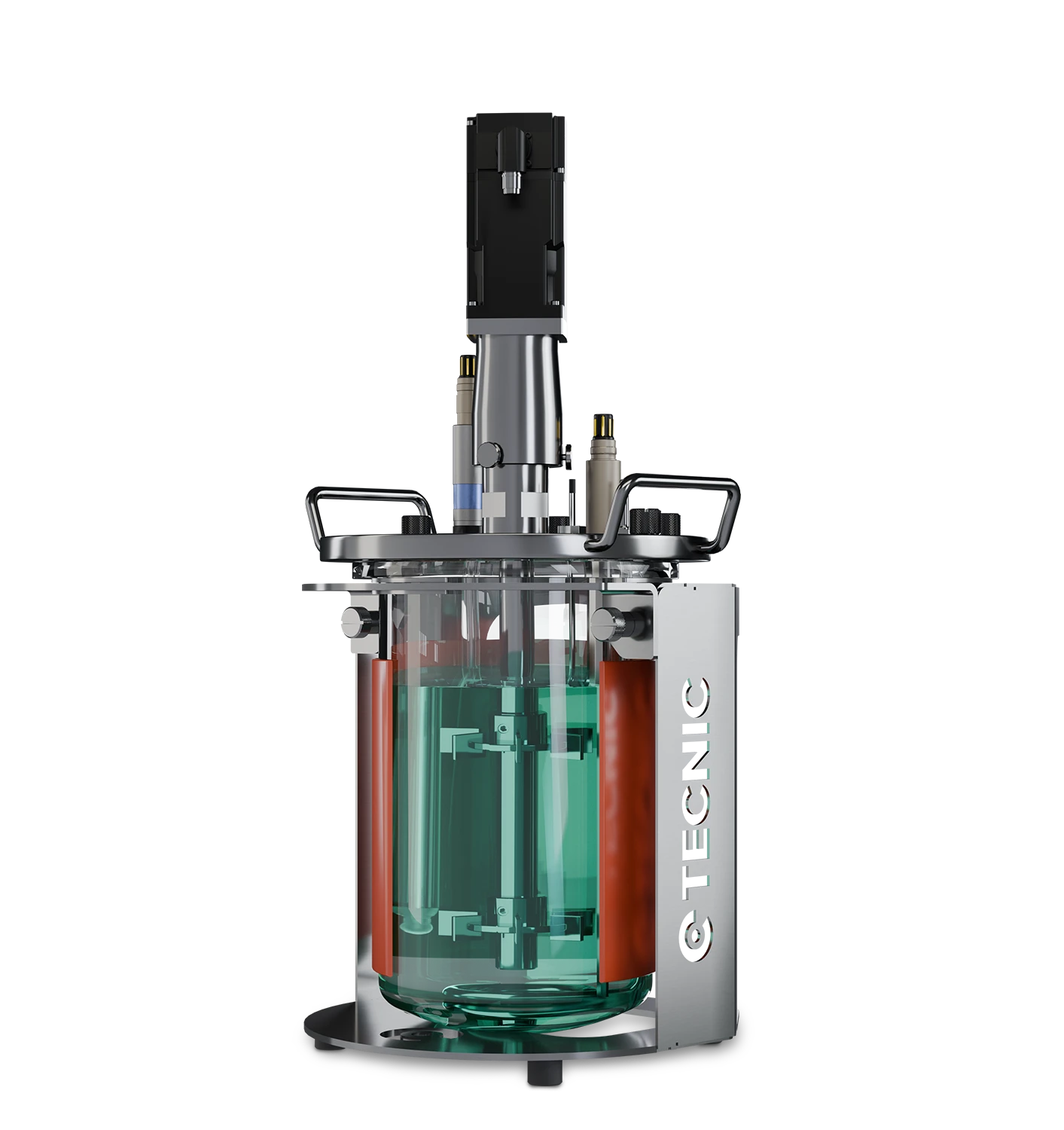
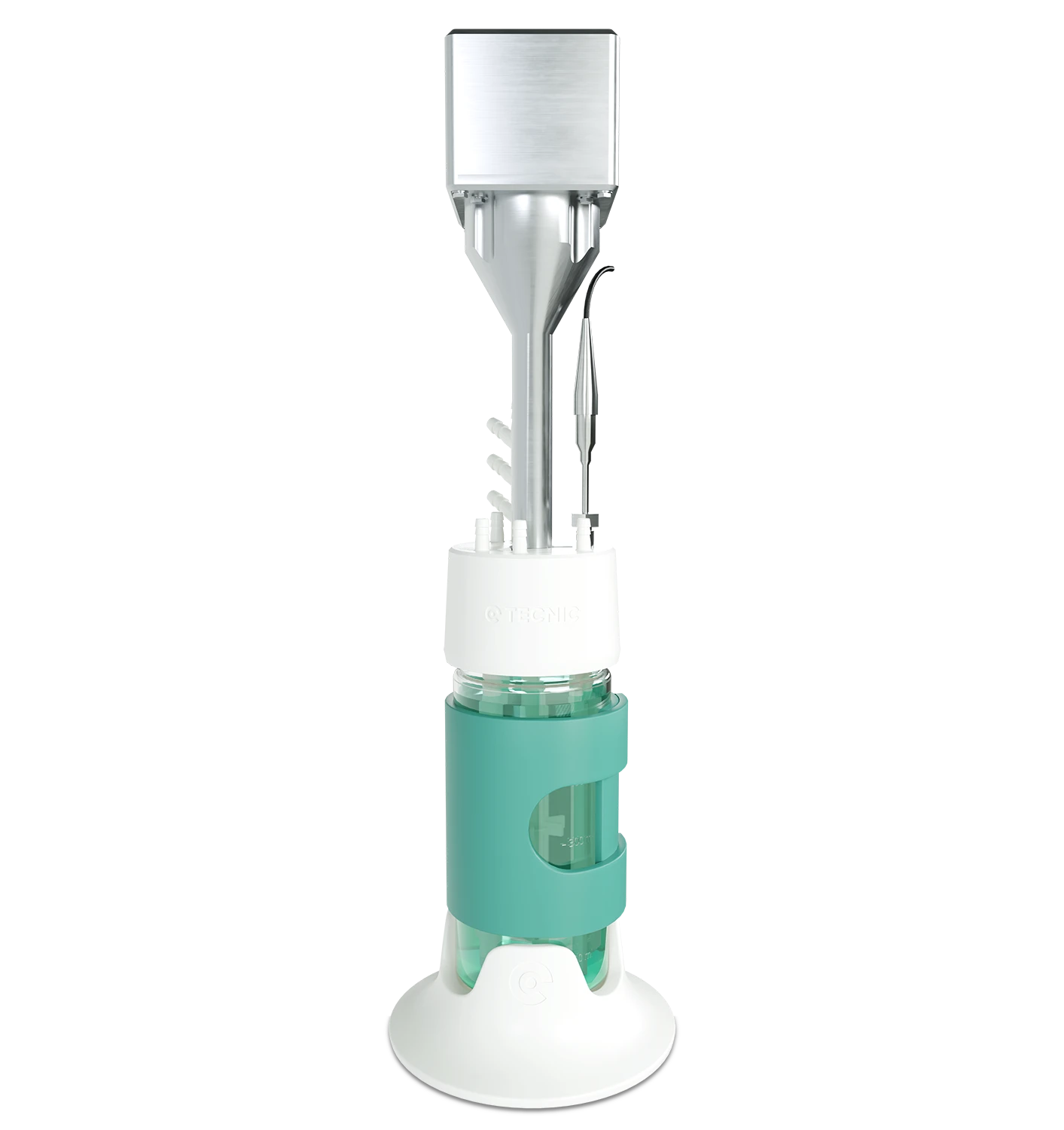
Bioreactors for sensitive processes
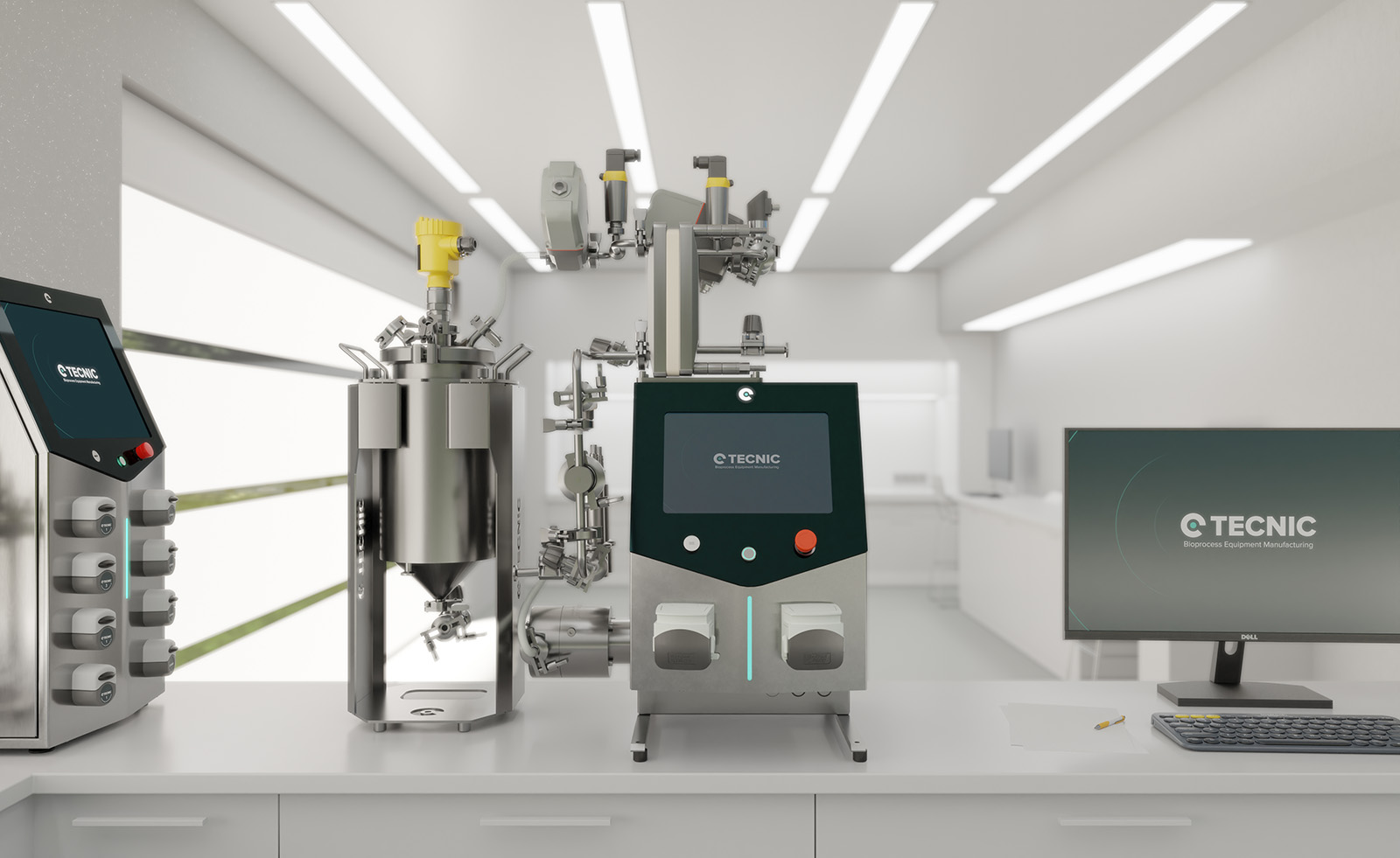
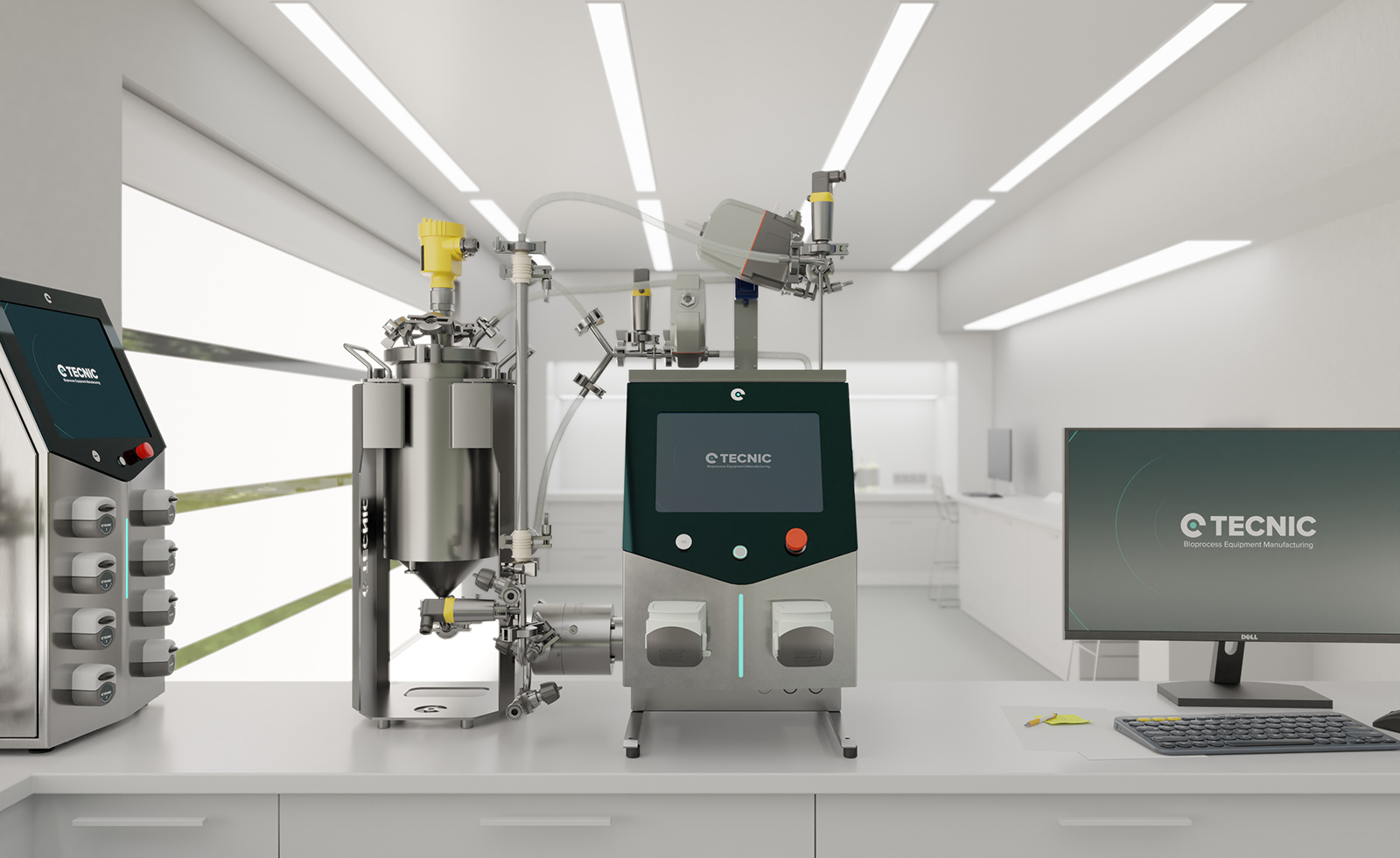
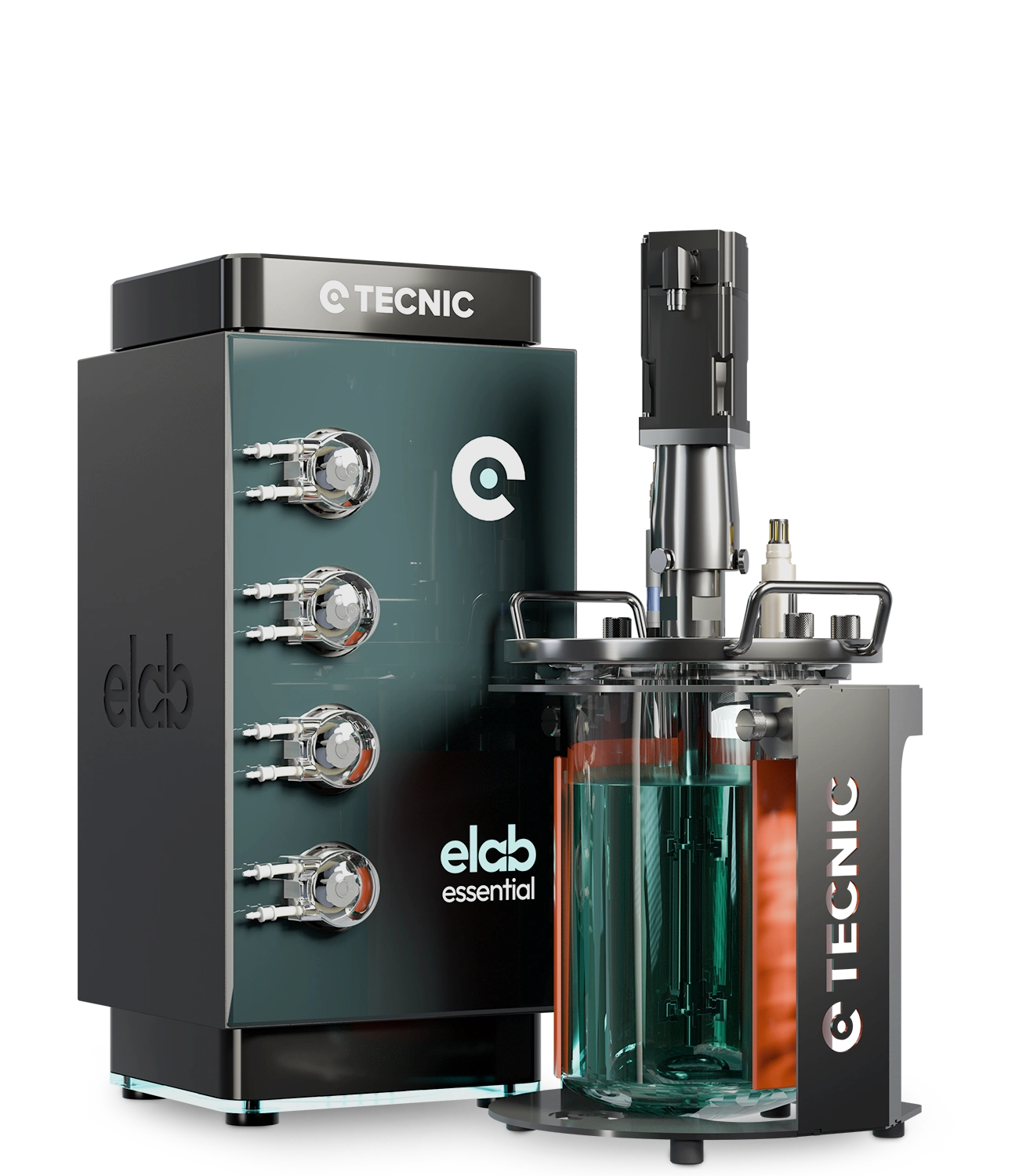
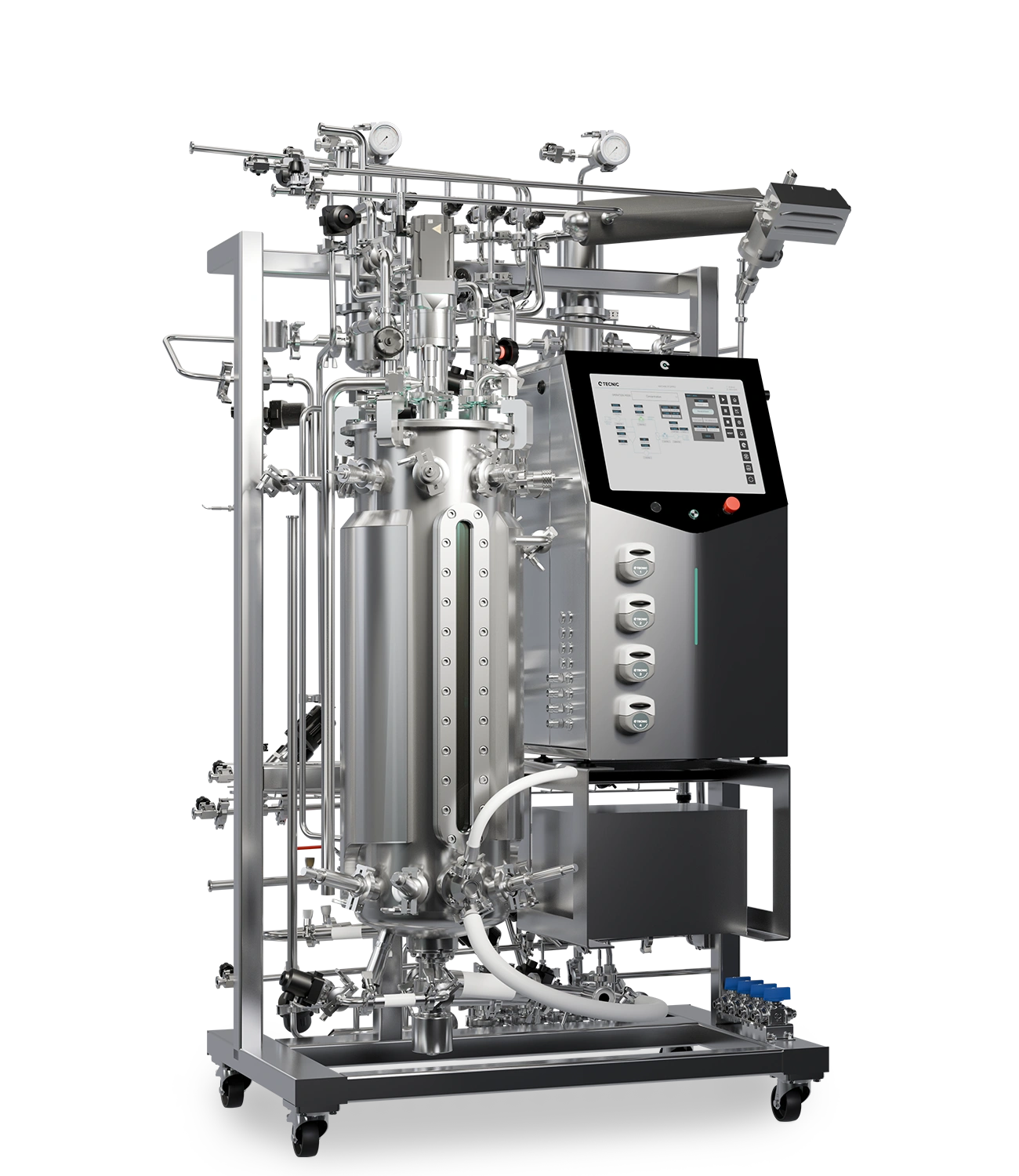
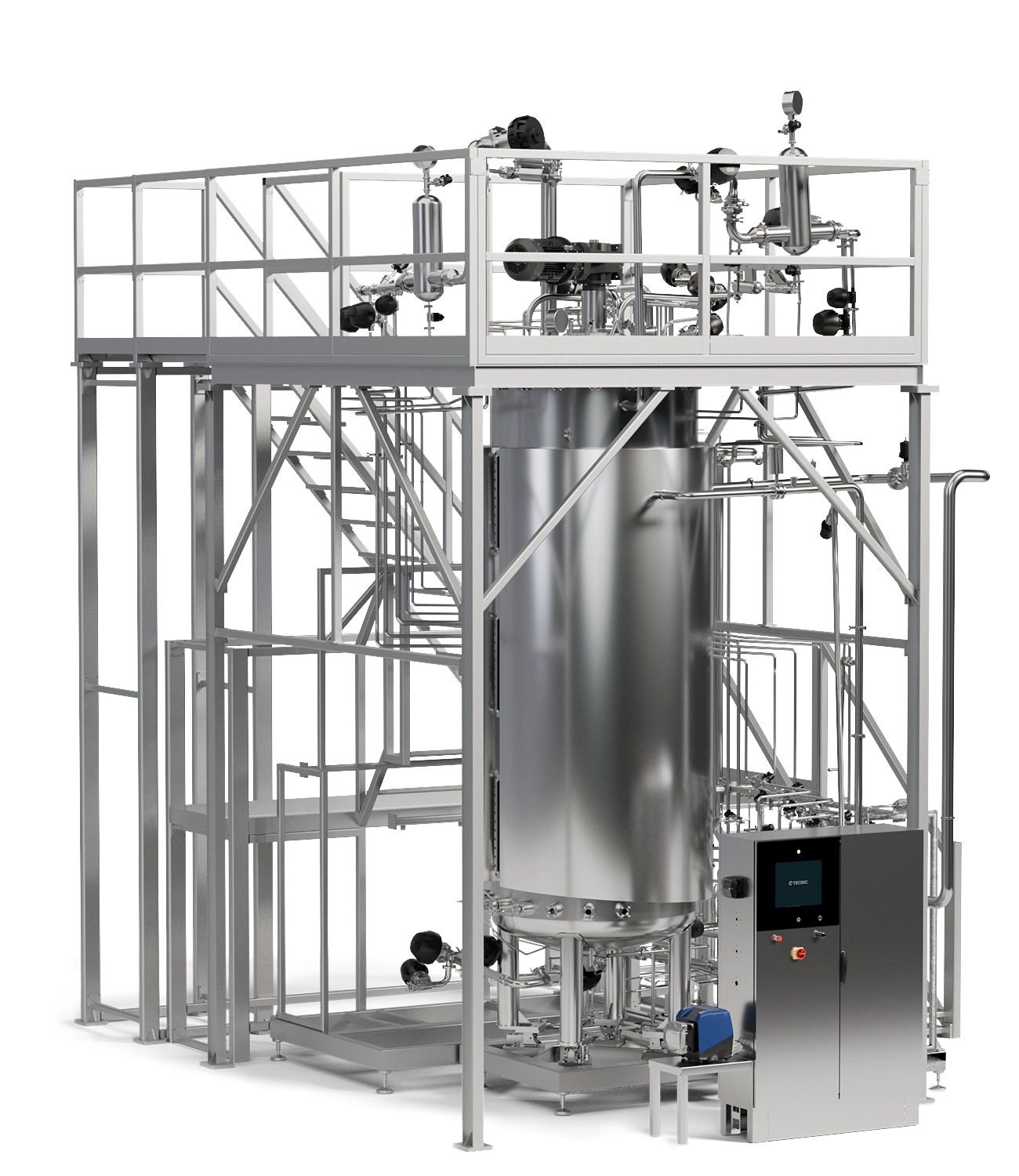
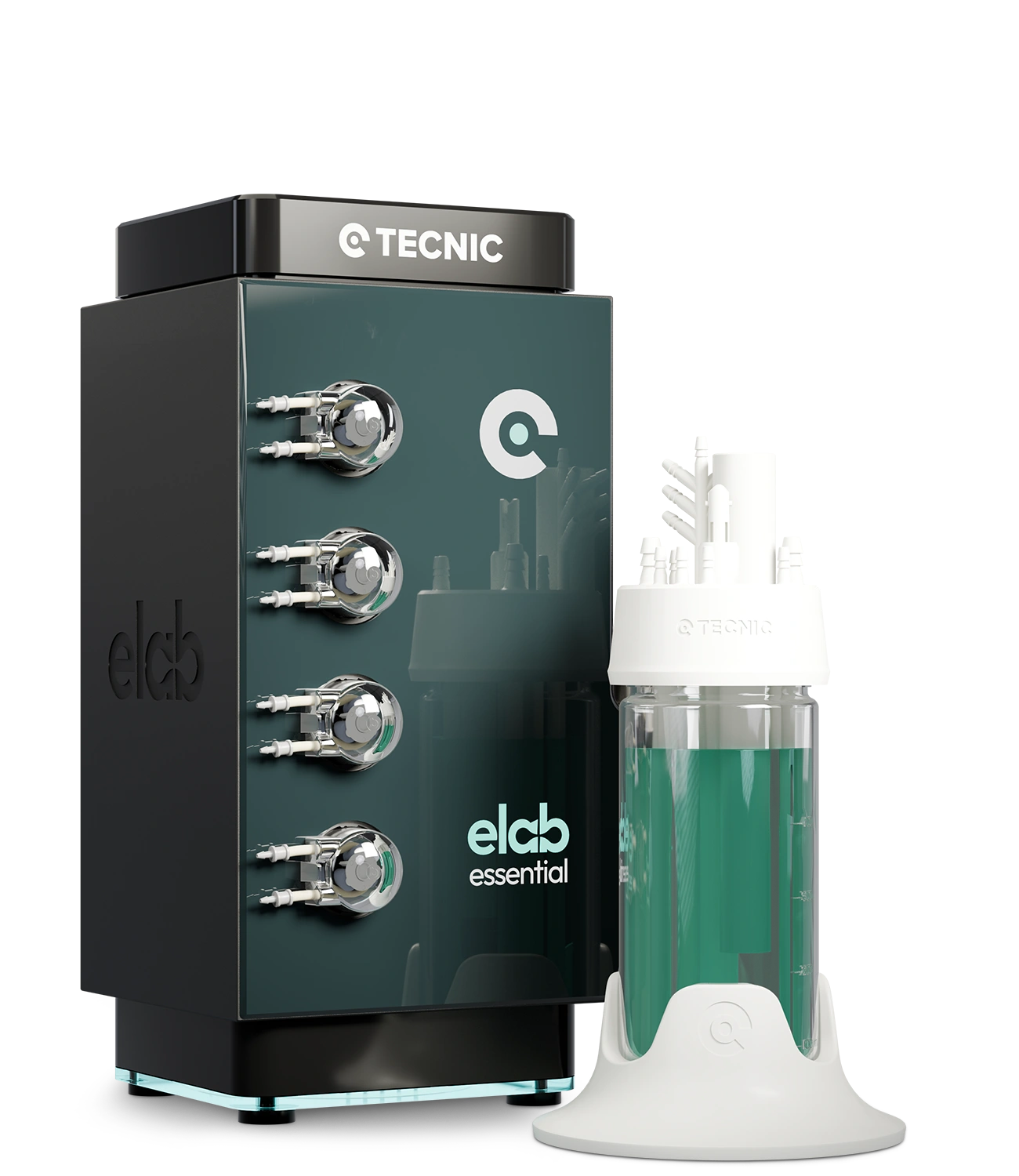
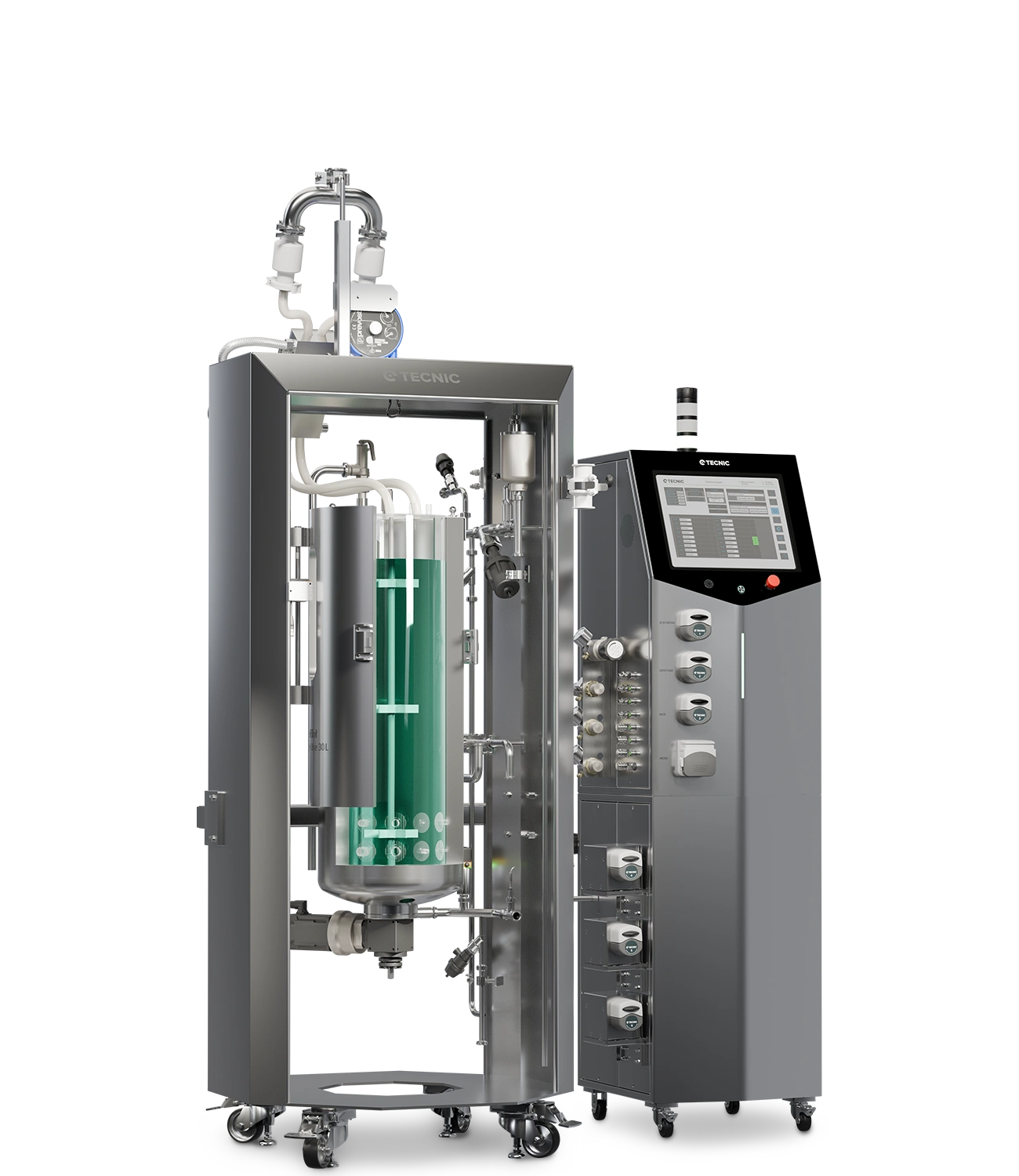
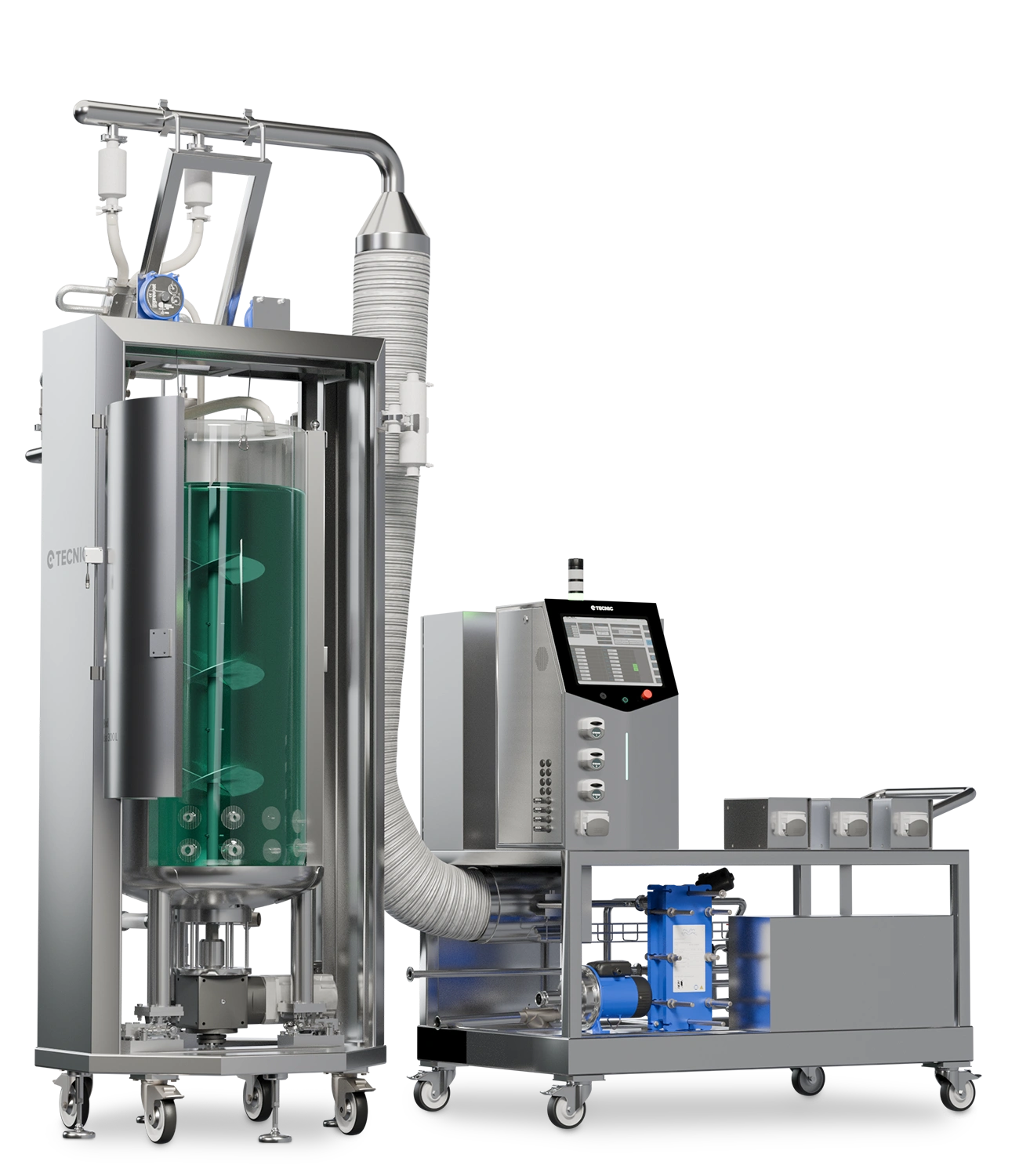
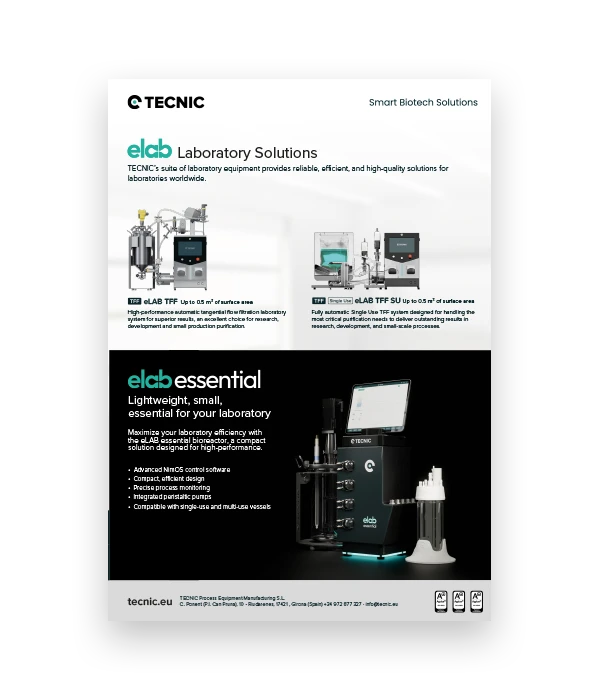
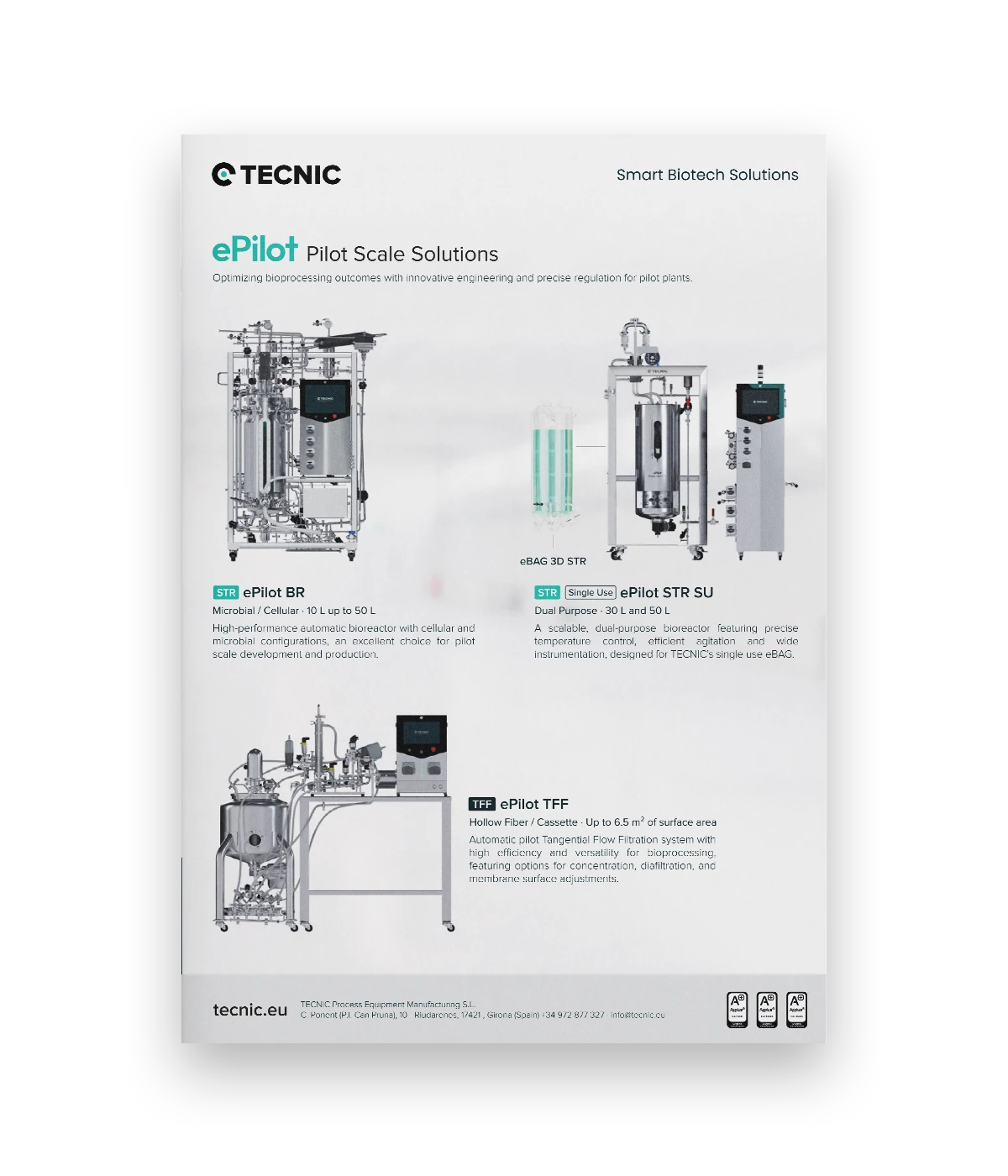
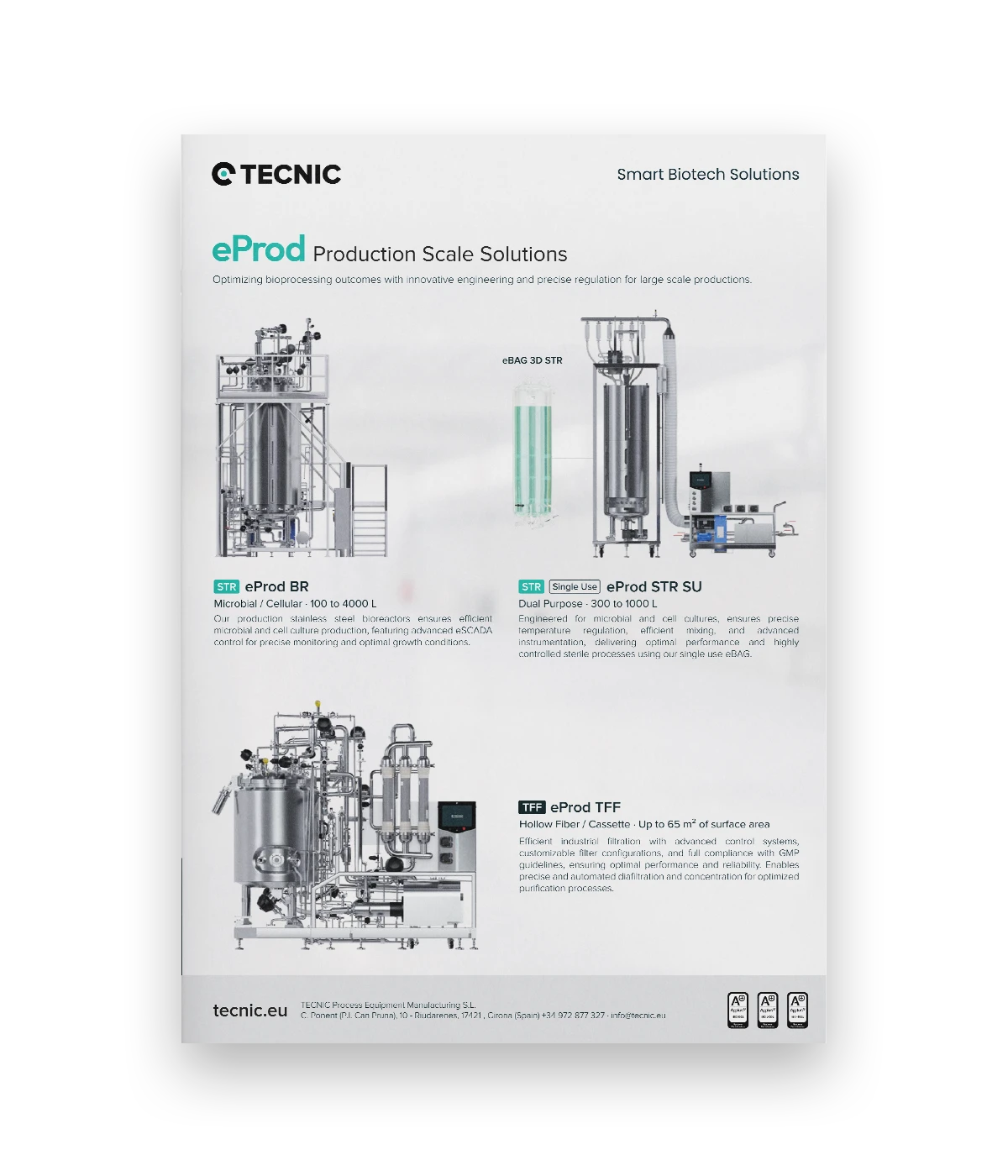
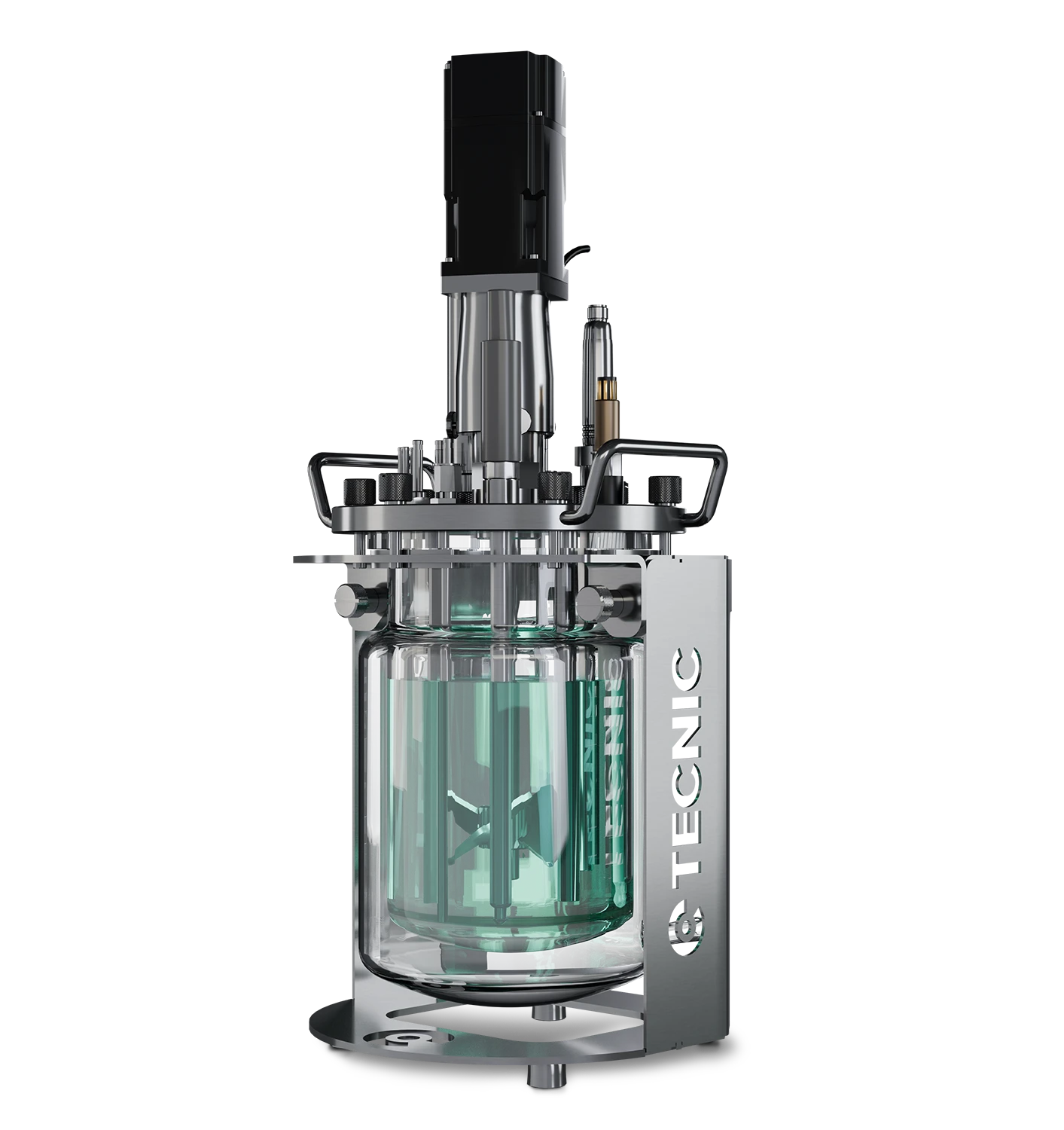
Since advanced therapies rely on tightly controlled cell-related workflows, TECNIC’s bioreactor portfolio is one of the natural equipment bridges from this topic.
TFF and downstream support
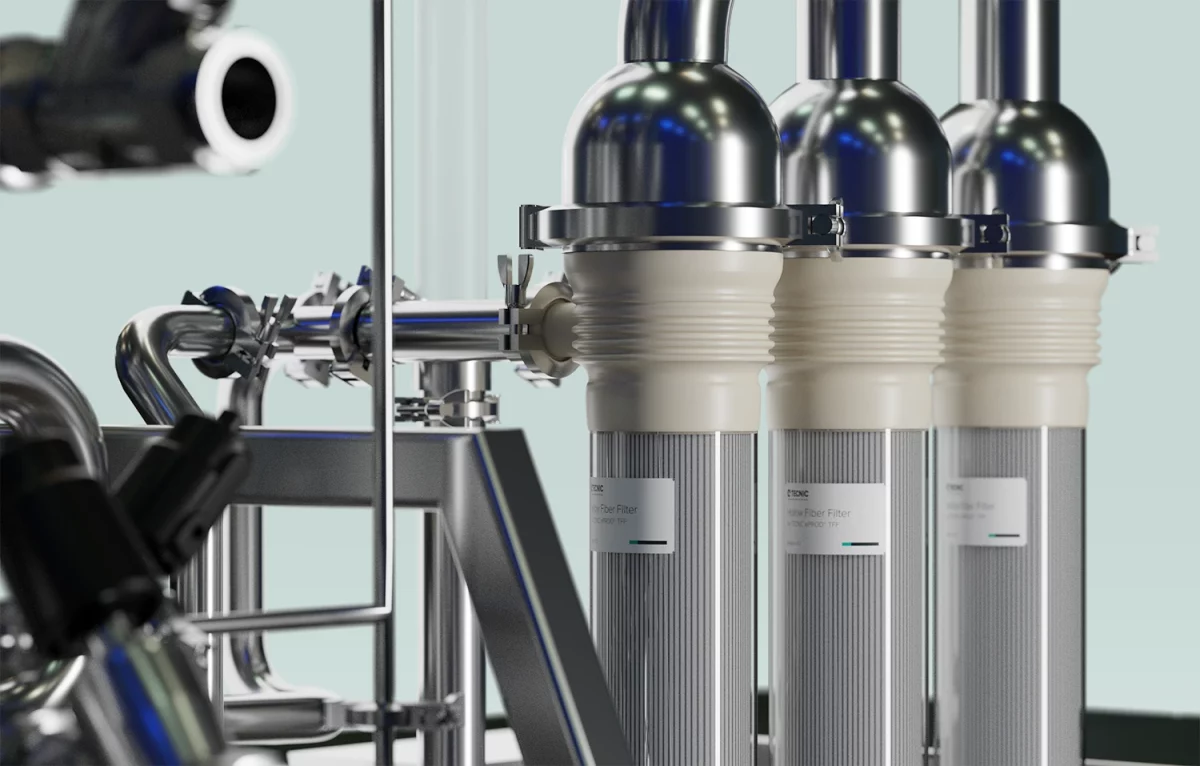
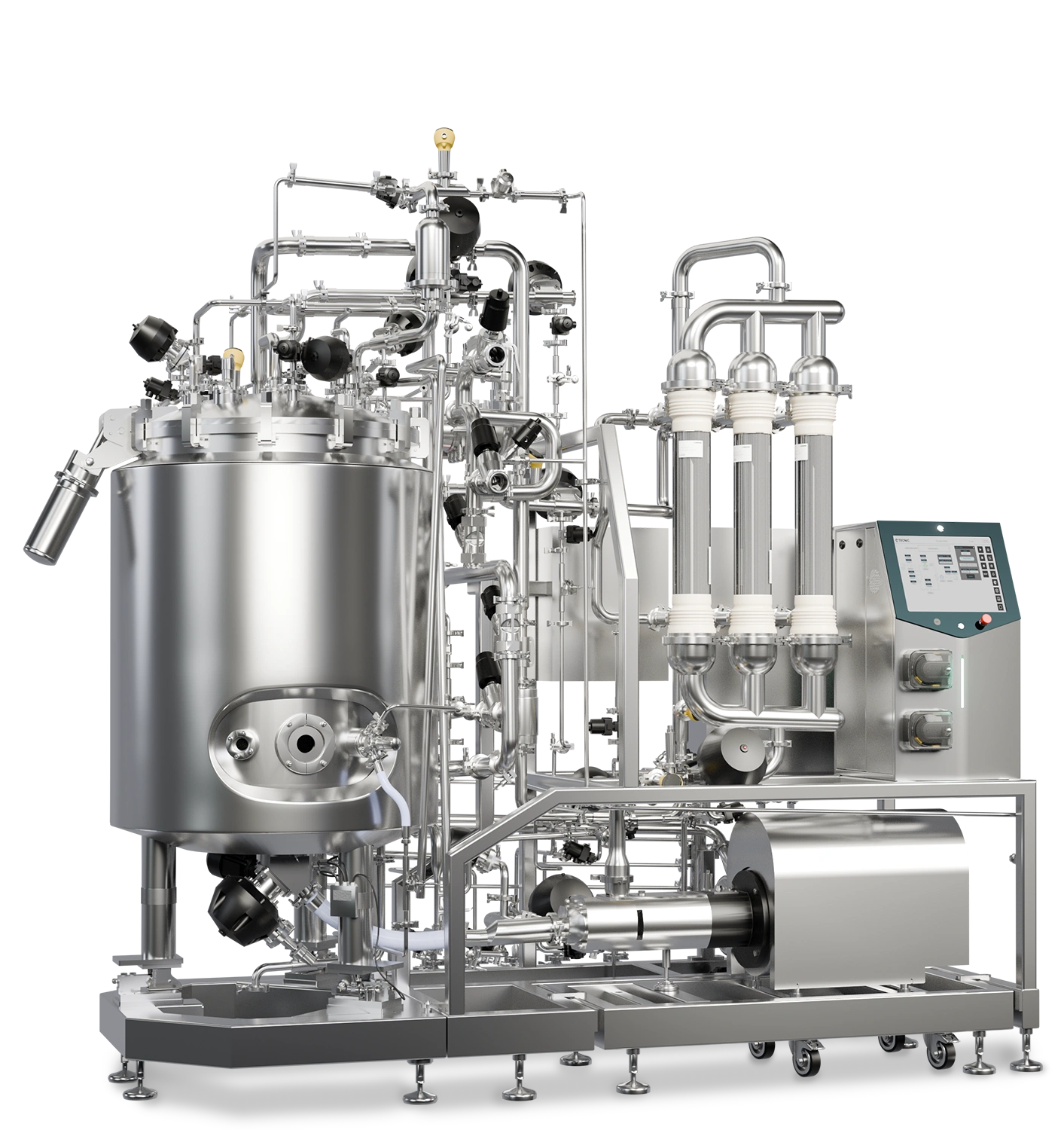
Gene and cell therapy manufacturing can also intersect with concentration, clarification and other downstream needs, which connects this topic with the TFF range.
Contact TECNIC
For teams exploring advanced therapy manufacturing needs, a direct technical conversation is often the most useful next step.
This section stays broad on purpose. The article is educational first, and the product link should feel natural rather than forced.
Frequently asked questions
What is the main difference between gene therapy and cell therapy?
Gene therapy changes genetic material, while cell therapy uses living cells as the treatment itself.
Are autologous and allogeneic therapies the same thing?
No. Autologous therapies use the patient’s own cells, while allogeneic therapies use cells from a donor.
Is CAR-T gene therapy or cell therapy?
It is often considered a hybrid, because it uses living cells that have been genetically modified outside the body and then reinfused.
What is the difference between in vivo and ex vivo gene therapy?
In vivo delivers the therapy directly inside the body, while ex vivo modifies cells outside the body before returning them to the patient.
Is one better than the other?
Not in general. The most suitable option depends on the disease, the biological target and the therapeutic strategy.
Exploring advanced therapy manufacturing needs?
Explore TECNIC’s bioprocess solutions or speak with our team to review the right process path for sensitive and high-value workflows.